
"Starbucks Burundi coffee"
100 article(s) found

Starbucks Africa Cheetham coffee bean price Cheetham Africa Kitamu coffee how to drink?
Professional coffee knowledge exchange more coffee bean information please follow the coffee workshop (Wechat official account cafe_style) the world's three major coffee estates: African coffee estates and major coffee producing areas of coffee details opposite the company Starbucks, the latest daily selection of iced coffee all use Cheetham beans. Because the style is really distinct, after drinking a few times, I was impressed. According to Starbucks

Flavor description of coffee producing areas in Burundi introduction to the characteristics of varieties and manors with grinding scale
Flavor description of Burundi Coffee production areas; Flavor description; Grinding scale; Variety; Flavor; Flavor; full-bodied; aromatic; acidity excellent; Baking method: medium to deep roasting Burundian Coffee: characteristics of good Burundian Coffee: Burundi has the most diverse and successful coffee industry in the world and has its own characteristics. Burundian coffee tastes fragrant

Burundian COE 4th Red Bourbon Coffee Baking suggestion _ Starbucks Burundian Coffee Bean
Professional coffee knowledge exchange more coffee bean information please follow coffee workshop (Wechat official account cafe_style) [country]: Burundi [production area]: Kayanza [manor]: Gahahe caha [variety]: red bourbon [treatment]: washing [altitude]: 1805 m [roasting degree]: City (cooked beans 230g) [flavor]: baked in light

Introduction to the characteristics of coffee producing areas in Burundi, altitude flavor description, taste and variety characteristics
The characteristics of Burundian coffee producing areas, altitude, flavor, taste, flavor, flavor, taste, flavor, flavor, taste, taste, flavor, flavor, taste, flavor, taste, The average amount of coffee to drink is 80-100cc. Sometimes if you want to drink three or four cups in a row, you have to dilute the concentration of the coffee, or add a lot of cattle.

History of Origin and Development of Water-washed bourbon species in Kayanza Province of Burundi Burundi Bulundi Champion processing Plant
This is excellent news for countries that earn more than 80% of their foreign exchange earnings from coffee exports. Due to the abundant coffee growing season Rain Water and good field management, coffee production in 2004-2005 was significantly higher than that of last year. According to Burundian officials, the output of coffee beans this year will reach 36000 tons, a six-fold increase over last year (5600 tons).

Taste of Burundian Coffee Flavor Manor area introduces Burundian boutique coffee beans
After the price of Burundian Arabrica coffee was raised, the purchase price of fresh coffee in Burundi was adjusted from 120 Burundian francs / kg to 200 Burundian francs / kg, which is excellent news for countries where coffee export earnings account for more than 80 per cent of total foreign exchange earnings. Due to the abundance of Rain Water in the coffee growing season and good field management, 2004

Introduction to the flavor description of Cajan coffee beans in Burundi Bulongdi Champion processing Plant
Burundi has the most diverse and successful coffee industry in the world, and has its own characteristics. Coffee in this country was introduced by Belgian colonists in 1930 and is now grown only on small farms. Unfortunately, many of these farms are on the border with war-torn Rwanda, putting pressure on coffee production. Coffee produced in Burundi.
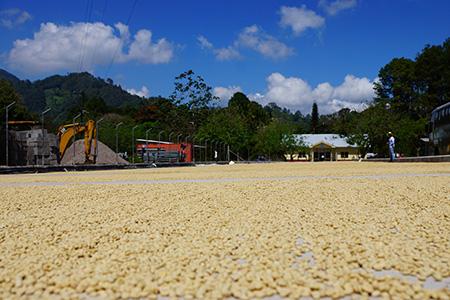
Introduction to the flavor description of Cajan coffee beans in Burundi Bulongdi Champion processing Plant
Burundian Champion processing Plant Cayan Coffee beans Flavor description [Bulongdi Champion processing Plant] is located in the Mardadi Peak of the Panjia processing Plant in Cabuye District, Cajun Province, Burundi. The elevation is very high, and there are even mountains over 2000 meters above sea level. The soil is fertile, the soil is humid, and it is very suitable for the growth of coffee. It is recognized as the best coffee processing plant in Burundi.

Introduction of Burundian Coffee Bean Flavor description Grinding scale area treatment Manor
In recent years, Starbucks has paid more and more attention to the African coffee industry and began to increase the price of coffee with Burundian Arabrica, a coffee grower in Tanzania, Ethiopia, Rwanda and Kenya. The purchase price of fresh coffee in Burundi has been adjusted from 120 Burundian francs / kg to 20.

Burundian Coffee Flavor with Fruit Flavor introduction to the characteristics of Fine Coffee beans in Manor area
Due to ethnic divisions, the chaos of Burundian coffee has been going on for a long time, with a large number of raw beans mixed with the old and new, making this coffee unsuitable for grading. This coffee is rough but mild, and has characteristics similar to Kenyan coffee. The flavor is sweet and fruity, with a slightly spicy finish. Dry aroma (1-5): not suitable for wet aroma

Introduction to the origin of coffee-"Rwanda, Burundi" of the African Department
For the exchange of professional baristas, please follow the coffee workshop (Wechat official account cafe_style) today to introduce the five East African countries, and then introduce the coffee from the five East African countries individually. In 2015, five East African Communities, including Kenya, Tanzania, Burundi, Rwanda and Uganda, proposed that five countries be merged into a federal state, using a common constitution, president, parliament and goods.
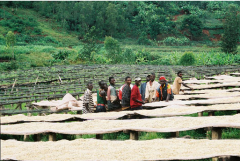
Starbucks East Timor Coffee and Burundian Coffee, East Timor Burundian Coffee producing area introduction
Exchange of professional baristas Please follow the coffee workshop (Wechat official account cafe_style) what are the characteristics of coffee in East Timor? The coffee in East Timor is all organic, and the country is very poor. It is said that the farmers there are so poor that they have no money to buy fertilizers and pesticides, so there is no use of pesticides and pesticides in the coffee growth, and the growing environment is very healthy. The variety of East Timorese coffee is the original seed emperor.

Burundian Coffee Guide-Burundian Coffee producing area introduction _ how to buy Burundian Coffee beans
Professional coffee knowledge exchange more coffee bean information Please follow Coffee Workshop (Wechat official account cafe_style) exquisite Burundian single source coffee with clean, delicate taste, rich body and acidity, according to cupping notes. Coffee reviews show that Burundian coffee has a sweet berry flavor, with floral and berry-like aromas. Region: Kayanza

Introduction to the characteristics of Grinding degree of Burundian AA Coffee by Flavor description method
After Starbucks paid more and more attention to the African coffee industry in recent years, and began to increase the price of coffee with Burundian Arabrica, a coffee grower in Tanzania, Ethiopia, Rwanda and Kenya, the purchase price of fresh coffee fruits in Burundi was adjusted from 120Burundian francs / kg to 200Burundian francs / kg.
Starbucks Burundian Coffee Burundian Coffee producing area introduces where Burundian coffee beans come from?
For professional baristas, please follow the coffee workshop (official Wechat account cafe_style) Burundi is located on the south side of the equator in east-central Africa. It is bordered by Rwanda to the north, Tanzania to the east and south, Congo (Kinshasa) to the west, and Lake Tanganyika to the southwest. There are many plateaus and mountains in the territory, most of which are made up of the plateau on the east side of the East African Rift Valley. The average elevation of the whole country is 1600 meters, which is called the mountain country.

Description characteristics of Burundian Coffee Flavor A brief introduction to the production area of grinding scale by taste treatment method
Brief introduction of Burundian Coffee Flavor description characteristics of Burundian Coffee the characteristics of Burundian coffee: Burundi (Burundi) has the most diverse and successful coffee industry in the world, and has its own characteristics. Burundian coffee is fragrant and has excellent acidity. The Burundian National Coffee Laboratory had the honor to visit the Burundian national coffee with mama.

A brief introduction to the flavor, taste and aroma characteristics of Cajan coffee beans from Burundian Champion processing Plant
This is excellent news for countries that earn more than 80% of their foreign exchange earnings from coffee exports. Due to the abundant coffee growing season Rain Water and good field management, coffee production in 2004-2005 was significantly higher than that of last year. According to Burundian officials, the output of coffee beans this year will reach 36000 tons, a six-fold increase over last year (5600 tons).

Introduction of variety treatment method for flavor description and taste characteristics of Burundian coffee beans
Burundian Coffee Bean Flavor description production area Variety treatment method Burundian coffee bears a striking resemblance to its neighbor Rwanda, and the coffee produced in these two countries is often confused. Burundian coffee is mainly grown in bourbon, with traditional wet processing of coffee cherries. Its boutique coffee is characterized by elegant sweetness and bright citrus aromas. Ben

Evaluation of Flavor characteristics of Burundian Coffee beans
Evaluation of Flavor characteristics of Burundian Coffee beans Burundian formerly known as Urundi formed a feudal kingdom in the 16th century. Since the middle of the 19th century, the forces of Britain, Germany and Belgium invaded. The long-ruled monarchy, which was conquered by Germany in 1890, listed it as the territory of German East Africa and fell under the control of the Belgian army in 1916. first

Boutique Burundi Champion Processing Plant Kayanza Coffee
In fact, according to Ms. Knudsen, people started drinking fine coffee, but then as coffee demand continued to grow, new coffee varieties were discovered and used, and the quality of coffee declined. Later, people gradually abandoned this bad and bad coffee and began to switch to other drinks. In this context, Ms Knudsen's re-identification